Top 5 Drywall Repair Tips for Homeowners
Drywall damage is a common issue that many homeowners face. Whether it’s from accidental impacts, water damage, or general wear and tear, knowing how to repair drywall can save you time and money. In this blog post, we will discuss the top five drywall repair tips that every homeowner should know.
1. Assess the Damage
Before you begin any repair, it's essential to accurately assess the damage. Determine whether the damage is a small hole, a large hole, or water damage. This will help you decide on the best repair method.
- Small holes (less than 1/2 inch): Use a spackle or joint compound.
- Medium holes (1/2 inch to 6 inches): Use a patch and joint compound.
- Large holes (over 6 inches): Use a drywall patch and additional support.
2. Gather Necessary Tools and Materials
Having the right tools and materials on hand will make the repair process smoother. Here’s a list of what you might need:
- Drywall patch (for larger holes)
- Spackle or joint compound (for small repairs)
- Putty knife
- Sandpaper or sanding block
- Primer and paint
- Utility knife
- Measuring tape
3. Prepare the Area
Before starting your repair, prepare the area to avoid mess and ensure a clean finish. Follow these steps:
- Move furniture away from the repair area.
- Cover the floor with a drop cloth.
- Clean the damaged area to remove dust and debris.
4. Apply the Repair Material
Once the area is prepped, it’s time to apply your repair material. The method will vary depending on the size of the damage:
For Small Holes
Use a putty knife to apply spackle over the hole. Smooth it out and let it dry.
For Medium Holes
Cut a piece of drywall patch slightly larger than the hole. Secure it in place with joint compound. Smooth the edges.
For Large Holes
Cut a piece of drywall to fit the hole. Secure it with screws and cover seams with joint compound.
5. Sand and Finish
After the repair material has dried, it's important to sand the area for a smooth finish. Here’s how:
- Use fine-grit sandpaper to gently sand the repaired area.
- Feather the edges to blend with the surrounding wall.
- Wipe away dust with a damp cloth.
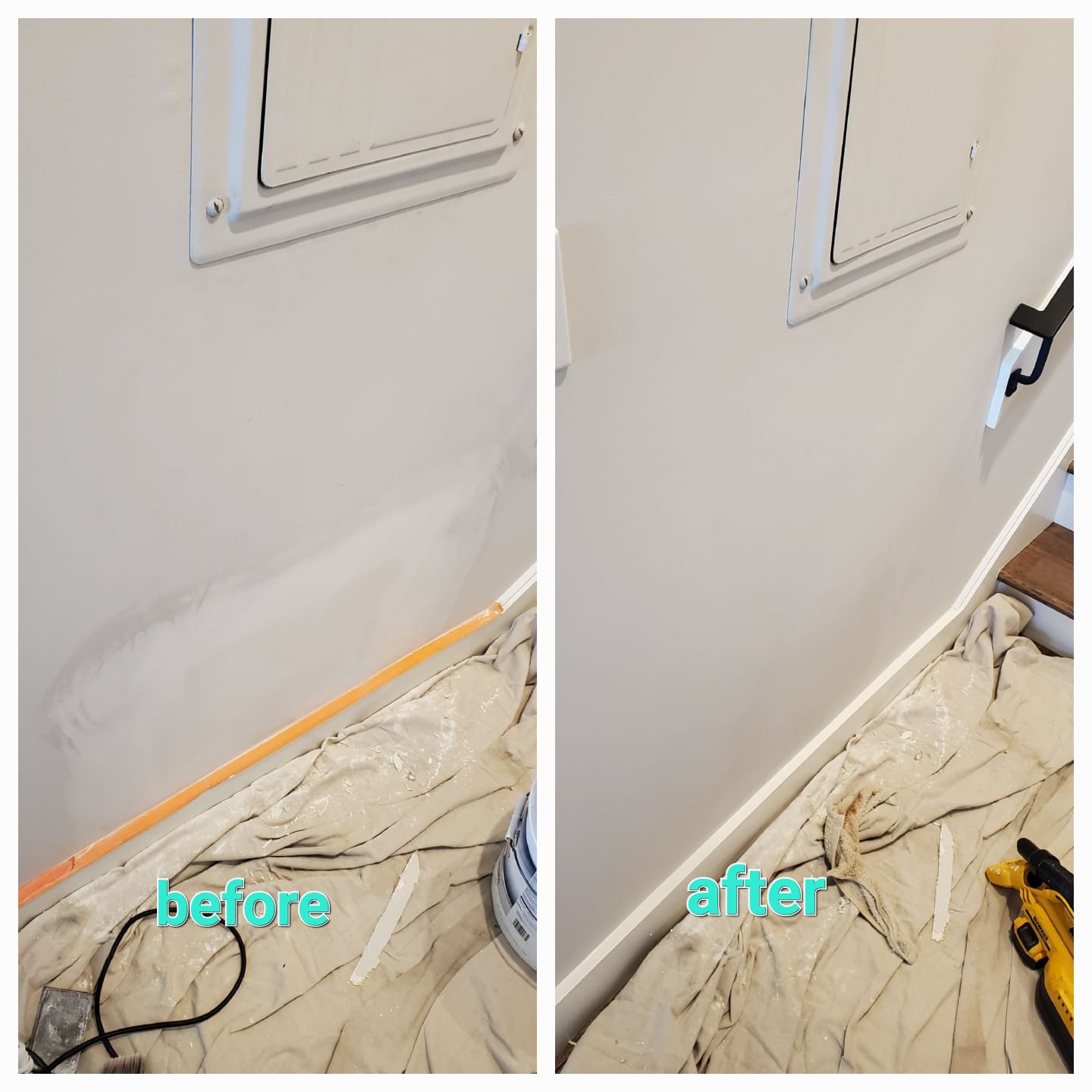
Finally, apply primer and paint to match the rest of your wall.
Conclusion
Repairing drywall doesn’t have to be a daunting task. By following these five tips, homeowners can tackle drywall repairs confidently and efficiently. Remember, if the damage is extensive or you’re unsure about your skills, don’t hesitate to contact a professional handyman service like Quick Fix Handyman for assistance.